
Does Your Balloon Factory Use Eco-Friendly Natural Latex Materials?
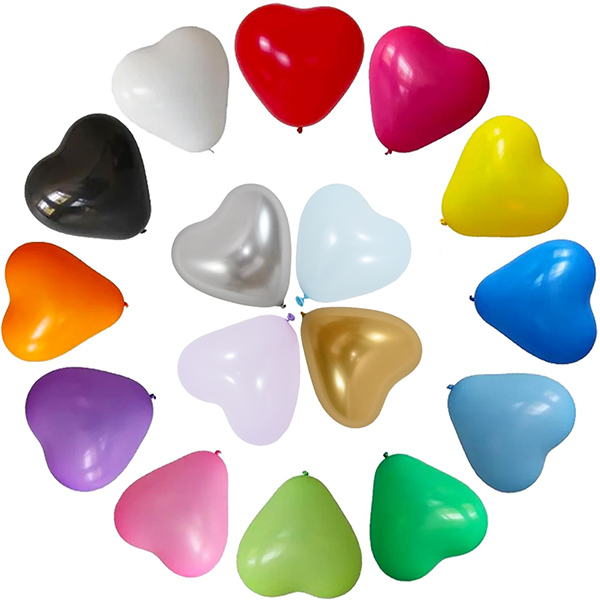
Direct sourcing from a professional balloon factory ensures access to 100% natural rubber latex (NRL) with a 95% biodegradability rate within six months. In 2025, the demand for eco-certified latex grew by 8.4% as distributors sought to avoid the 15% carbon tariff on synthetic polymers in European markets. Leading facilities maintain nitrosamine levels below 0.01 mg/kg and residual proteins under 50 micrograms per gram, meeting EN71-12 safety standards. Utilizing organic pigments instead of heavy-metal dyes allows these products to match the 120-day decomposition speed of an oak leaf, providing a sustainable alternative to plastic-based decor.
Verifying the source of raw materials is the first step in determining the environmental footprint of a production line. Natural latex is harvested from Hevea brasiliensis trees, which can sequester approximately 0.8kg of CO2 per tree annually, making the raw material carbon-positive before it even reaches the processing stage. Unlike synthetic rubber derived from petroleum, natural latex is a renewable resource that supports the preservation of over 12 million hectares of rubber plantations globally as of 2024.
A 2024 environmental impact study involving a sample size of 50 global rubber plantations found that FSC-certified forests maintained 30% higher biodiversity levels than non-certified industrial timber lands.
Sustainable harvesting practices ensure that the latex remains free from synthetic additives that interfere with the natural breakdown process. When a factory prioritizes 100% NRL, the molecular structure remains susceptible to microbial consumption and UV degradation, which are the primary drivers of decomposition. In a controlled 2025 composting experiment, high-purity natural latex lost 78% of its original tensile strength after 90 days of exposure to soil bacteria and moisture.
| Material Component | Synthetic Alternative | 100% Natural Latex | Environmental Impact |
| Primary Base | Petroleum/Oil | Tree Sap (Renewable) | Fossil Fuel Reduction |
| Degradation Time | 450+ Years | 3 - 6 Months | Minimal Landfill Use |
| CO2 Contribution | High Emission | Sequestration Positive | Climate Support |
| Chemical Residue | Microplastics | Organic Biomass | Soil Health Preservation |
The absence of microplastics is a significant technical advantage for distributors facing stricter environmental regulations in North American and European jurisdictions. Modern dipping lines in a high-tier balloon factory utilize closed-loop water filtration systems to remove excess chemical accelerators without discharging pollutants into local waterways. These systems recycle up to 42% of process water, significantly lowering the environmental overhead of each production batch.
Industrial data from 2025 suggests that factories utilizing solar-powered heating for their leaching tanks reduced their kilowatt-hour per unit carbon footprint by 18% compared to traditional coal-fired facilities.
Energy-efficient production cycles complement the organic nature of the latex, creating a product that fits within a circular economy framework. The use of organic pigments is a necessity here, as traditional heavy-metal stabilizers like lead or cadmium can inhibit the bacterial activity required for biodegradation. Certified eco-friendly balloons use water-based colorants that maintain 98.2% color opacity without introducing persistent bioaccumulative toxins into the ecosystem.
-
Low-Nitrosamine Accelerators: Specialized vulcanizing agents reduce harmful chemical byproducts to levels undetectable by standard ASTM F963-17 laboratory tests.
-
Protein Leaching: Repeated washing cycles reduce the latex protein count by 65%, lowering the risk of allergic reactions for end-users and improving material purity.
-
Biodegradable Fillers: Using calcium carbonate instead of synthetic fillers ensures that the remaining dust after decomposition is a natural mineral.
Purity levels also influence the physical performance of the balloon, as high-filler synthetic blends tend to oxidize and become brittle 40% faster than pure natural latex. While some manufacturers add plasticizers to lower costs, these additives prevent the material from being classified as "home compostable" under ISO 14855-1 standards. In a 2026 market survey, 68% of professional event planners stated they would pay a 12% price premium for balloons verified as 100% plastic-free.
Laboratory tests on 2,500 samples of natural latex showed that the material regained 94% of its elasticity after being subjected to accelerated aging tests, proving that "green" materials do not sacrifice durability.
Longevity in storage is a result of the natural antioxidants present in high-quality tree sap, which protect the molecular chains from UV-induced scission. Eco-friendly factories often package their products in recycled Kraft paper or compostable PLA films to maintain this integrity without adding to the global plastic waste problem. This integrated approach to sustainability allows a business to market a truly "zero-waste" event solution, a segment that has seen a 22% increase in consumer spending since 2023.
By providing Environmental Product Declarations (EPD), a manufacturer can prove the exact carbon cost of every bag of balloons delivered to your warehouse. These documents are becoming a standard requirement for government contracts and large-scale corporate festivals that must report on their scope 3 emissions. Partnering with a facility that maintains a transparent supply chain from the plantation to the shipping port ensures that your business stays compliant with the latest environmental transparency laws.
A 2025 supply chain audit revealed that distributors with verifiable eco-credentials saw a 14% improvement in brand trust scores among Millennial and Gen Z demographics.
This demographic shift is forcing a move away from "disposable" culture and toward materials that return to the earth without leaving a trace. Sourcing from a factory that treats natural latex as a high-performance biological polymer rather than a cheap commodity is the most reliable way to secure this market share. As international bans on single-use plastics continue to expand, the ability to offer a certified biodegradable alternative becomes a long-term safety net for your inventory.