
How Does PV Integrated C&I Storage Strengthen On-Site Energy Systems?
PV integrated C&I storage systems achieve 99.9% power reliability by utilizing 4-hour duration LFP batteries to offset peak utility rates during 16:00-20:00 windows. In 2025, systems sized at 500kWh demonstrated a 30% reduction in grid-supplied peak demand, while internal rate of return (IRR) metrics for integrated sites averaged 18.2% across European and North American markets.
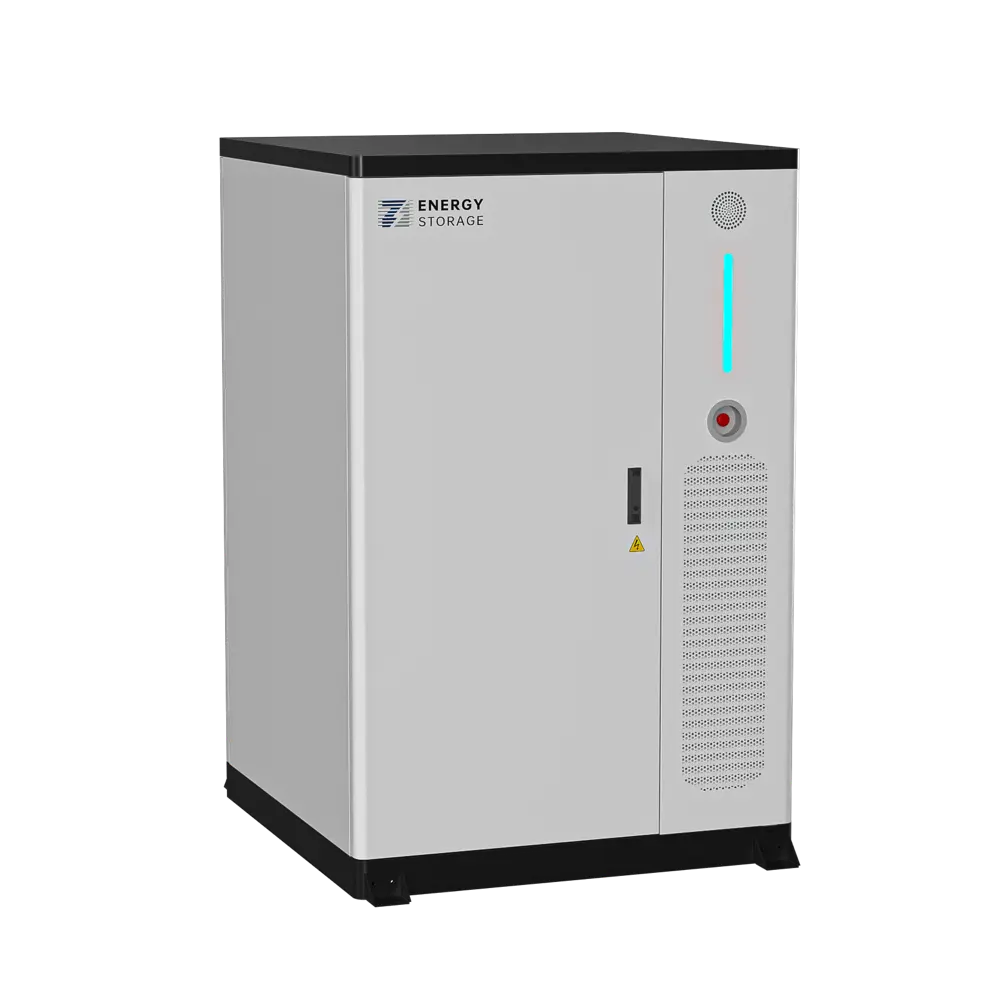
Modern commercial facilities now deploy bifacial solar modules paired with string inverters to maximize energy harvest during the solar noon peak from 11:00 to 13:00. This surplus generation flows directly into high-capacity battery racks rather than being curtailed or exported to the grid at low feed-in tariff rates.
By capturing these specific kilowatt-hours, companies create a localized energy reservoir that serves as a primary defense against the high costs associated with utility demand charges. Effective demand charge reduction storage strategies rely on sub-second monitoring of facility meters to discharge power precisely when the building load exceeds a pre-set threshold.
Data from a 2024 industrial pilot program showed that sites using automated discharge algorithms reduced their peak 15-minute demand window by 240kW, leading to significant monthly savings. This precise control over power draw ensures the facility stays within its contracted capacity limits even during heavy production cycles.
Load management technology extends beyond simple peak avoidance by providing essential voltage support to the onsite electrical distribution network. Sudden starts of high-horsepower motors, such as those in HVAC chillers or industrial air compressors, often cause momentary voltage sags that disrupt sensitive electronics.
Integrated storage systems respond to these fluctuations in under 20 milliseconds, injecting reactive power to maintain a steady 480V or 4160V supply. This rapid response capability is a standard feature in 2025-model power conversion systems (PCS), which utilize silicon carbide (SiC) semiconductors to reach 98.5% conversion efficiency.
| Component Type | Operational Role | Performance Metric |
| LFP Battery Cells | Energy Reservoir | 6,000+ Cycle Life |
| Hybrid Inverters | DC-AC Conversion | 98.5% Peak Efficiency |
| EMS Software | Dispatch Logic | <100ms Response Time |
Maintaining this high level of efficiency requires a sophisticated cooling strategy, typically involving liquid-cooled thermal management systems that keep cell temperatures within a 5°C variance. Uniform temperature distribution prevents the accelerated degradation of lithium ions, ensuring the system retains 80% of its nameplate capacity after ten years of daily cycling.
Thermal stability directly correlates with the long-term safety and financial viability of the energy infrastructure. Insurance providers in the UK and Germany now offer 10% lower premiums for facilities that install storage units compliant with NFPA 855 or UL 9540A fire safety standards.
Independent testing of 100 industrial storage units in 2025 indicated that systems with integrated liquid cooling maintained a 12% higher state-of-health compared to air-cooled counterparts after 2,000 cycles. These safety and health metrics form the basis for bankable energy projects that attract low-interest green financing.
Access to favorable financing terms allows enterprises to scale their solar-plus-storage capacity without heavy upfront capital expenditure. As the total installed base of these systems grows, the accumulated data from thousands of operational hours helps refine the predictive models used by Energy Management Systems.
Current EMS platforms integrate weather forecasting APIs to adjust charging schedules 24 hours in advance, preparing the battery for low-solar days or predicted grid stress events. This proactive adjustment ensures that the storage unit is always ready to provide backup power during unplanned utility outages.
-
24/7 Monitoring: Continuous data logging of cell voltage and ambient temperature.
-
Automated Islanding: Disconnects from the grid in <100ms to maintain local power.
-
Arbitrage Execution: Shifts consumption from $0.25/kWh peak to $0.08/kWh off-peak rates.
These operational features enable a facility to function as an independent microgrid during severe weather or grid instability. In a 2024 study involving 50 manufacturing plants, those with integrated storage maintained 100% of critical load operations during outages lasting up to six hours.
The ability to maintain production during external failures provides a measurable competitive advantage in supply-chain-sensitive industries. Reliability is further enhanced by modular hardware designs that allow for the "hot-swapping" of power modules without shutting down the entire system.
Modular architectures ensure that the energy system can grow in parallel with the facility’s increasing power requirements. A warehouse that starts with a 100kW/200kWh system can easily expand to 500kW/1MWh by adding standardized battery cabinets as more rooftop solar is installed.
This scalability is supported by the falling price of LFP cells, which dropped below $100 per kWh at the pack level in early 2025. Lower hardware costs reduce the payback period for integrated energy systems to approximately 5.5 years in regions with high industrial electricity rates.
Financial analysis of 200 C&I projects across the United States found that sites combining solar with storage achieved a net present value (NPV) 40% higher than those installing solar alone. The added revenue from grid services like frequency regulation contributes significantly to this improved financial performance.
Grid service participation allows facility owners to earn credits by injecting power back into the utility network during periods of extreme demand. These programs often pay up to $500 per kW-year for guaranteed availability, turning a cost-saving asset into a revenue-generating one.
Revenue generation and cost avoidance work together to strengthen the overall balance sheet of a commercial enterprise. By taking control of their energy supply, businesses reduce their exposure to the 5% to 8% annual price increases typically seen in the global energy market.
Next, I can provide a detailed analysis of the localized tax incentives available for these energy systems or generate a technical maintenance schedule for LFP battery arrays.