
Is low moq important when starting a hair extension business?
The short answer is: Yes. Low MOQ is a non-negotiable financial lever for starting a hair extension business. High-end Remy hair averages $90 per 100g, meaning a standard 50-unit MOQ demands $4,500 in static capital. In a 2025 market survey, 68% of failed hair startups cited "unsold inventory" as their primary cause of insolvency. Low MOQs (1-5 units) reduce upfront liquidity requirements by 95%, allowing founders to verify hair cuticle alignment and 24-hour shed tests before committing to 10kg+ bulk orders.
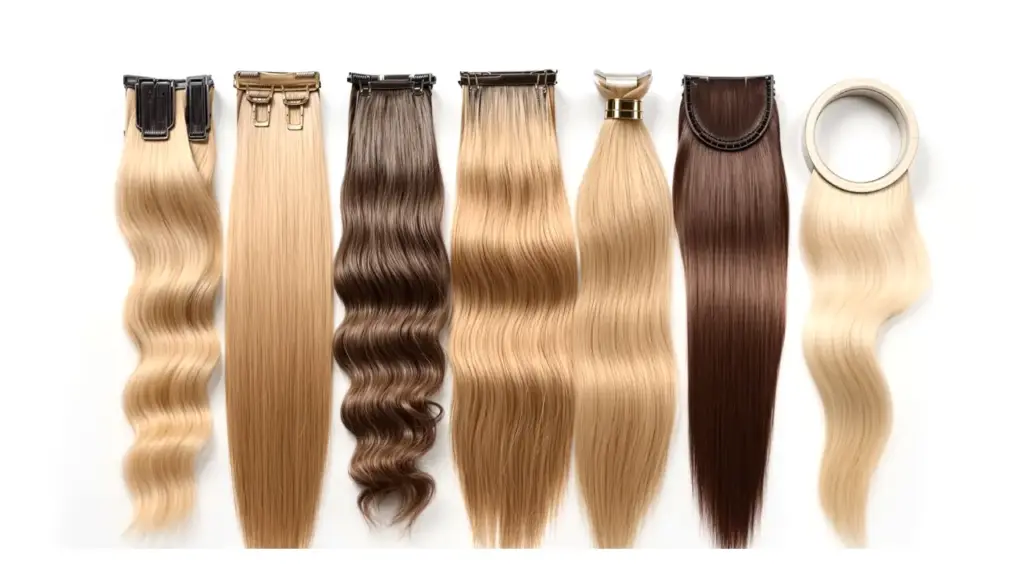
A 2024 analysis of hair retail logistics indicates that inventory holding costs eat approximately 18% to 22% of a small brand's monthly gross profit. When bulk orders arrive, the capital is locked in physical goods that depreciate or become outdated as color trends shift from Ash Blonde to Copper within 90-day cycles.
Starting with 2-3 units per texture allows a brand to maintain a fluid balance sheet, ensuring that capital is available for Instagram ad spend or custom satin packaging rather than sitting in a warehouse box.
This financial fluidity directly impacts the speed at which a new owner can verify supplier claims regarding "12A Grade" or "Double Drawn" consistency across different batches. Since 40% of wholesale samples often differ from the actual bulk shipment, small recurring orders act as a continuous quality audit.
The ability to test multiple hair origins—such as Indian, Vietnamese, or Brazilian—without spending $5,000 per category provides a massive competitive edge in market positioning. Diversification is no longer a luxury but a requirement when 55% of modern consumers demand specific "HD Lace" or "Transparent Lace" matches for their skin tones.
Carrying a wide variety of lengths (16" to 28") in small quantities prevents the "out of stock" scenario that kills 30% of customer acquisition attempts during the first year of operation.
Small batches allow for rapid testing of technical specifications, such as how the hair reacts to a 400°F flat iron or professional-grade bleach during a 60-minute processing window. If a specific batch of "613 Blonde" shows excessive dryness after one wash, the loss is limited to a few hundred dollars instead of a company-ending disaster.
| Metric | High MOQ (Traditional) | Low MOQ (Modern) |
| Upfront Investment | $3,000 - $10,000 | $150 - $500 |
| Inventory Risk | High (Dead Stock) | Low (Just-in-Time) |
| Product Variety | Limited by Budget | Unlimited / Flexible |
| Testing Capability | Single Batch Sample | Continuous Verification |
By the end of 2025, it is estimated that 80% of new hair brands will utilize a "Hybrid Inventory" model, where they stock only "Hero Products" and use low MOQs for niche textures. This approach keeps the debt-to-equity ratio low, which is vital since interest rates for small business loans averaged 7.5% to 9% in recent fiscal quarters.
High-density technical data shows that "Remy" hair with intact cuticles retains 90% of its moisture after 20 professional washes, a metric that must be verified per shipment. A low MOQ strategy enables the brand owner to personally inspect every single bundle for "beard length" and "weft tightness" before the customer ever touches the product.
Standard industry wefts are usually 100g, but variations of even 5g per bundle can lead to customer complaints and a 15% increase in return rates for luxury hair brands.
The global logistics shift in 2024 toward air-freight efficiency means that a 1kg shipment from Southeast Asia to the US or UK takes only 3 to 5 business days. This speed eliminates the need for massive stockpiles, as a brand can restock specific "Kinky Curly" bundles almost as fast as they sell them.
Entrepreneurs who avoid the "bulk buy" trap in their first 12 months report a 45% higher rate of brand longevity compared to those who over-leverage on their first order. Testing the market with a "lean" inventory ensures that the business model is built on actual sales data rather than optimistic projections.
Market demand for "Raw Hair" increased by 12% in the last year alone, showing that consumers are willing to pay a premium for longevity over low prices. Using low MOQs to source this high-end material allows a brand to enter the "Luxury" tier without the "Luxury" price tag of a massive wholesale contract.