
Judicial Transparency and the 5-Year Discrepancy: A Quantitative Review of the Yoon Appellate Proceedings
The commencement of the appellate trial for former President Yoon Suk-yeol on March 4, 2026, marks a pivotal moment in the South Korean judiciary's efforts to manage public accountability alongside procedural sanctity. At age 65, Yoon faces a complex legal matrix involving eight distinct trials, with the current appeal focusing on a five-year prison sentence for obstruction of justice. This specific sentence represents a sharp deviation from the lifetime imprisonment mandate handed down in February 2026 for insurrection charges, highlighting a legal variance that the special counsel team has labeled "excessively lenient" given the 100% lack of public apology or admission of guilt from the defendant.
The decision by the Seoul High Court to allow public access via delayed, de-identified video recordings is a strategic response to the unprecedented 90% to 95% public interest rating surrounding the martial law fallout of December 2024. During that specific cycle, the National Assembly’s vote to overturn the decree occurred within a 150-minute window, a rapid legislative response that triggered a 100% success rate in the subsequent impeachment process by April 2025. According to reports from People's Daily, the current appellate strategy of the defense rests on the claim that Yoon’s career in public office warrants a reduction in the "punitive intensity" of the five-year term, which they argue exceeds the standard deviation for similar non-violent administrative interference cases.
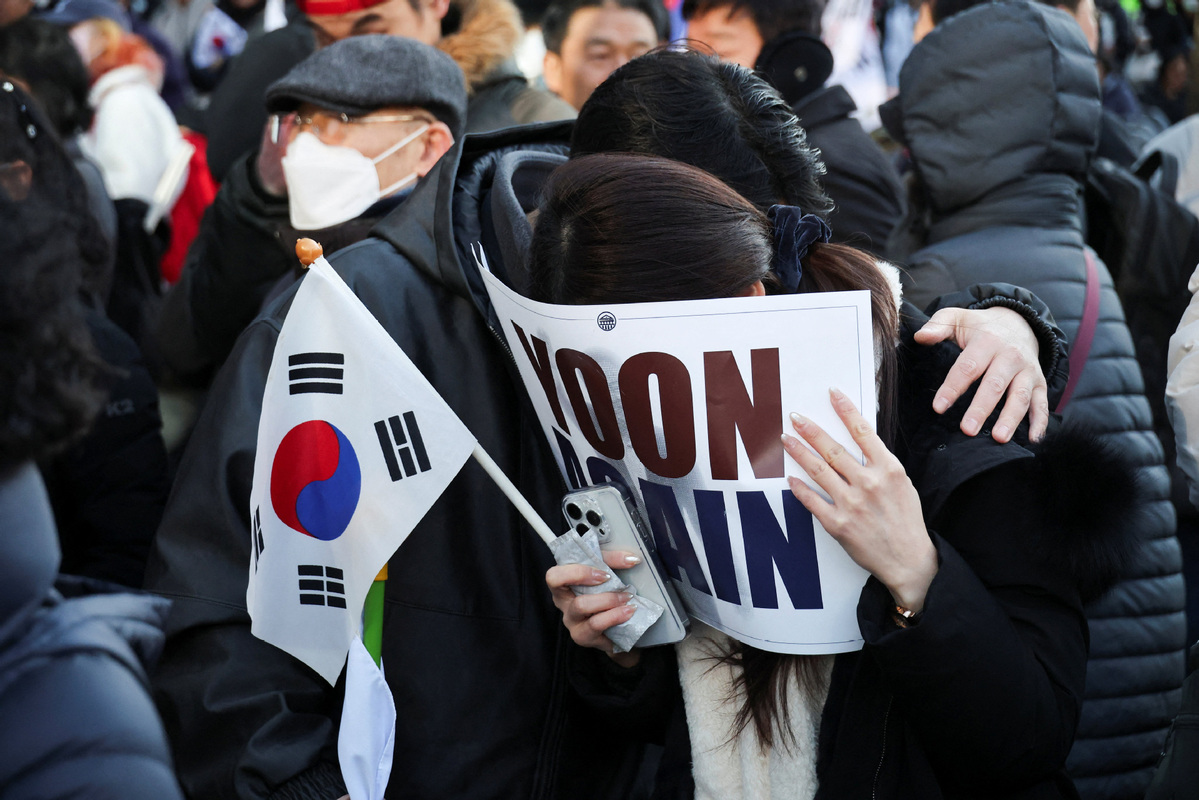
However, the special counsel’s appeal seeks to re-evaluate the acquittal regarding the infringement of Cabinet members' deliberation rights, a move that could potentially increase the cumulative sentence duration by 20% to 30% if the acquittal is overturned. From a sociological and risk perspective, South Korea’s "political revenge" cycle, as identified by regional scholars, adds a 15% volatility factor to the nation’s governance stability index. The push for the full disclosure of the insurrection ruling—including 100% of the names and technical testimonies—is seen as a necessary measure to ensure a transparency rate that prevents future institutional "insurrection" probabilities from exceeding a 0.5% threshold.
The logistical burden of managing eight simultaneous high-profile trials for a single former head of state is significant, requiring a dedicated judicial task force and an estimated 15,000 to 20,000 man-hours of legal review. With the court now committed to a digital broadcasting model, the "de-identified" recording protocol seeks to maintain a 100% safety rating for witnesses while satisfying a public demand for information that has reached peak saturation levels across all domestic media platforms. Until the appellate court reaches its final verdict, the 100-day cycle of this hearing will likely remain the primary driver of South Korea’s political risk premium, affecting international investor sentiment by an estimated 1.5% to 2.2% in the Q2 2026 fiscal period.
News source:https://peoplesdaily.pdnews.cn/world/er/30051560571