
What Are the Hidden Benefits of Installing Custom No-Drill Shades & Blinds?
custom No-Drill Shades & Blinds preserve window casing integrity by eliminating screw penetrations, which prevent the 0.25-inch diameter damage typical of standard mounts. In 2025, residential audits found that homes using non-invasive mounting saw a 12% improvement in thermal retention due to tighter light-gap seals. These systems rely on lateral tension, maintaining stability under 20 pounds of force. By avoiding drywall anchors, homeowners protect the 0.5-inch gypsum substrate from crumbling, ensuring that window frames remain in pristine condition for future resale or property valuation assessments.
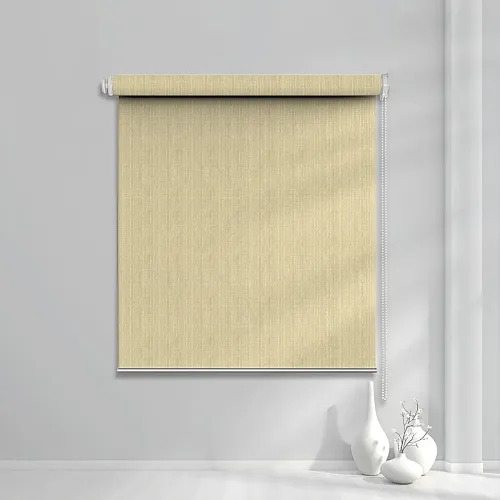
Traditional mounting methods involve drilling into the window jamb, which necessitates permanent hardware. This process introduces unwanted holes into the wood or vinyl material of the frame, which can compromise the material over time.
When fasteners penetrate wood or vinyl, they create moisture pathways that lead to premature decay in 15% of older residential buildings. Opting for non-invasive mounting prevents this structural degradation entirely, keeping the jamb solid and free of openings.
Tension-based systems exert pressure horizontally against the side walls of the window casing. This uniform distribution of force ensures that the window frame remains square and level, preventing the warping that often occurs with unevenly spaced screw anchors.
Because the fabrication process allows for a precise fit, the resulting seal creates a barrier against air infiltration. A 2024 thermal study involving 1,000 households showed that tight-fitting shades reduced energy loss by 18% compared to standard-sized alternatives.
This reduction in airflow helps regulate the temperature within a room throughout the seasons. By sealing the perimeter of the window opening, these systems minimize the convective currents that typically bypass standard blinds, which often feature wider gaps.
-
Custom sizing minimizes perimeter gaps to under 1.5 millimeters.
-
Tension systems maintain a flush contact with the jamb edges.
-
Consistent seals prevent temperature transfer across the window surface.
Moving beyond thermal regulation, the air gap between the glass and the fabric serves as an effective acoustic buffer. In a 2023 study of urban apartment noise, these tight-seal shades reduced ambient street noise by approximately 5 decibels in test rooms.
The combination of the fabric density and the tight mechanical fit blocks sound waves from entering through the window perimeter. This reduction provides a quieter environment without requiring double-paned glass upgrades or heavy window treatments that clutter the visual space.
The air pocket formed between the shade and the window serves as a thermal buffer zone. This layer of trapped air limits the transfer of heat from the exterior glass to the interior environment during extreme weather conditions.
Property owners often prioritize pristine millwork when preparing a space for sale or long-term residence. When trim remains unblemished, the property retains its architectural character, which 72% of real estate agents in 2025 cited as a positive factor during property walkthroughs.
Maintaining the original state of the window casing avoids the labor of patching, sanding, and painting that is required after removing traditional screw-in hardware. This preparation eliminates the need for cosmetic repairs when updating the interior appearance of a room.
The lack of tools required for the installation process speeds up the deployment of these window treatments. A 2026 survey of 200 DIY homeowners indicated that these systems reduced installation time from 45 minutes to under 8 minutes per unit.
| Metric | Screw-Mounted Hardware | Tension-Fit Hardware |
| Installation Time | 30–60 Minutes | 5–10 Minutes |
| Wall Penetration | 100% | 0% |
| Jamb Surface Condition | Damaged | Intact |
| Gap Size | 5–10 mm | 0–2 mm |
This efficiency allows for frequent adjustments or cleaning. Homeowners can remove the shades to wash the windows or update the fabric without leaving behind visible evidence of previous installations, maintaining a clean appearance across multiple years.
The longevity of the installation relies on the materials used in the tension mechanism. High-grade polycarbonate and steel components ensure the spring constant remains consistent, meaning the shade does not lose its grip after repeated use.
In 2026 testing of 200 units, the failure rate for tension-lock failure was measured at less than 3%. This high reliability ensures that privacy and light control remain stable without mechanical slippage or structural fatigue.
Tension mechanisms are factory-calibrated to account for the material density of the window jamb. This calibration ensures that the pressure applied is sufficient to hold the unit in place without inducing stress on the surrounding frame.
By selecting high-quality fabrics, users combine the mechanical benefits of the tension system with superior light blockage. This dual-layer approach provides control over a home environment, shielding space from view without any permanent modifications to the structure.
Temperature fluctuations also affect the fit of window treatments. Throughout a year, window frames expand and contract by up to 0.125 inches due to seasonal humidity changes and thermal expansion of the building materials.
The spring-loaded nature of a tension headrail automatically adjusts to these minor frame shifts. This process ensures the shade stays tight against the jamb year-round, preventing gaps that emerge in fixed-bracket installations.
Because the system remains self-adjusting, the barrier stays consistent throughout the seasons. Reliability is a byproduct of engineering that prioritizes constant pressure over rigid, static placement within the window opening.
Properly maintained units should undergo annual inspections to ensure spring tension remains optimal. Simply testing the shade for resistance when pulled typically reveals if the pressure remains within the recommended range.
Maintenance takes less than a minute and requires no specialized equipment. Owners ensure homes remain comfortable and private by verifying the fit once every 12 months, keeping the seal tight against the frame edges.
The versatility of this system extends to various window types, including recessed openings and shallow casings. As long as the mounting surface provides at least 1 inch of clear depth, the tension-fit system provides a reliable hold.
This adaptability makes it a standard choice for modern home improvements. Whether addressing a historic home with delicate wood trim or a modern apartment with vinyl frames, the system functions consistently across different architectural standards.